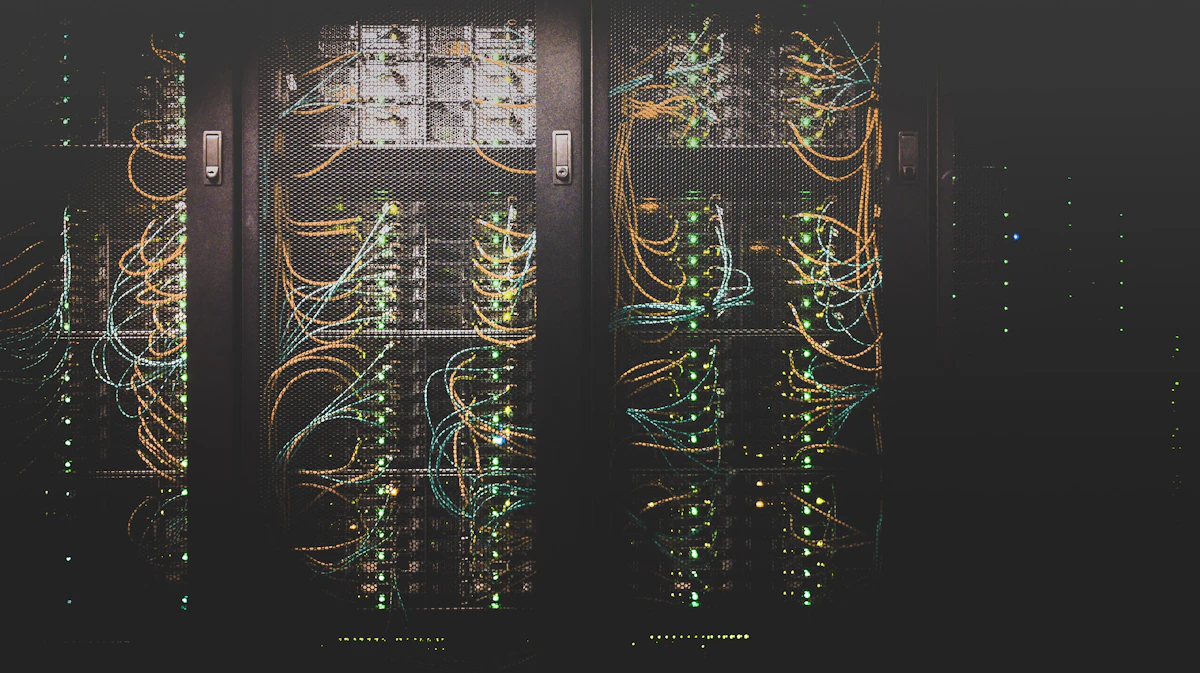
The Synchronization Challenge
Every B2B SaaS application eventually needs to sync with their customers' email and calendars. Historically, achieving seamless Exchange Online CRM integration meant building and maintaining complex polling mechanisms or struggling with unreliable push notifications from Exchange Web Services (EWS) and Google Workspace.
The True Cost of Native Server-to-Server Sync
Building these background integrations isn't a one-time cost. It involves:
- Handling rolling OAuth token expirations and refresh cycles in the background.
- Managing rate limits and exponential backoffs without dropping data.
- Handling service outages and missed webhooks gracefully.
The Automated Sync Future
A dedicated background sync operation abstracts away this complexity. Instead of polling multiple servers manually, leveraging a comprehensive Exchange and Gmail API integration platform maintains a robust server-to-server connection that captures and pushes normalized data into your external systems continuously. This allows your engineering team to focus on building core CRM features, not building sync infrastructure.